Experiencing Royal Korean Culture
Last month, I attended an educational program at the National Palace Museum of Korea, called ‘Experiencing Royal K-Culture’. This program is designed for Native English teachers to learn more about the Joseon era of Korean Royal culture.
Royal K-Culture
The Royal Korean Culture program included four evening sessions with a variety of hands-on activities and a field trip around the Palace on Saturday.
Unfortunately, I couldn’t attend this month’s Palace field trip because I already had other plans, but I hope to be able to attend another session in the near future.
Experiencing Royal K-Culture: Schedule & Program
| Lecture themes | Activities | Related galley artefacts |
| Overview of History and Culture of the Joseon Dynasty | Workshop: Making Eobo Soap | Royal symbols and records |
| Palatial Residence | Field trip: Visit to Changdeokgung palace | Changdeokgung palace architecture |
| Education & Literary Arts of Joseon Royals | Calligraphy Workshop: Drawing a Picture on the fan | Royal education and scholarly culture King’s calligraphy and seals |
| Food for the Royals | Cooking Workshop: Royal meals | Sura-sang |
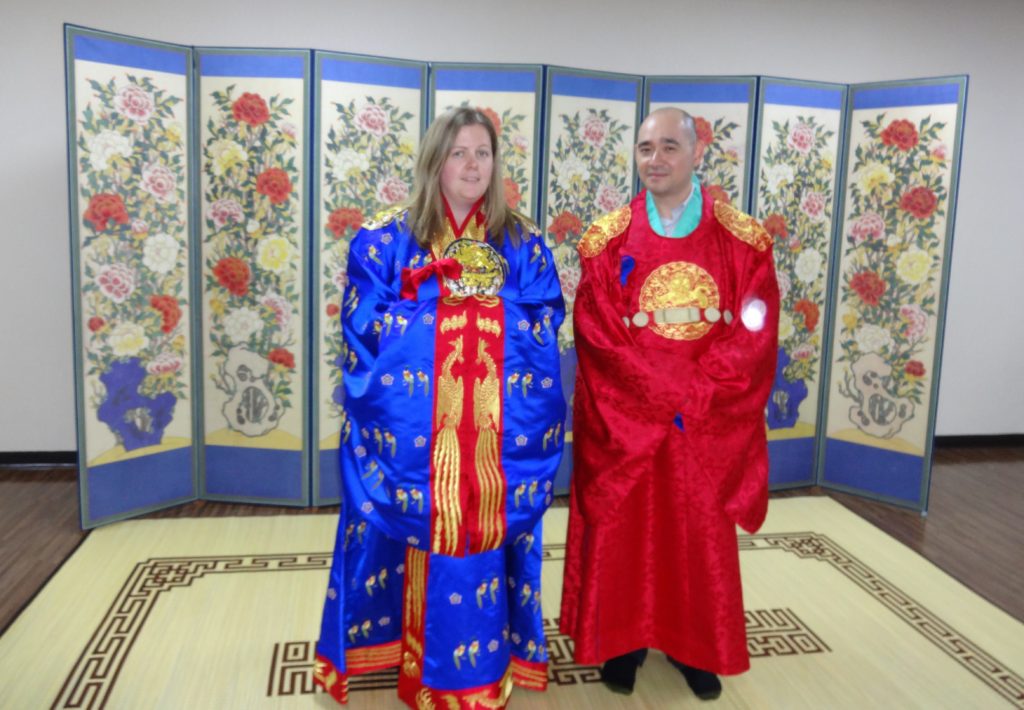
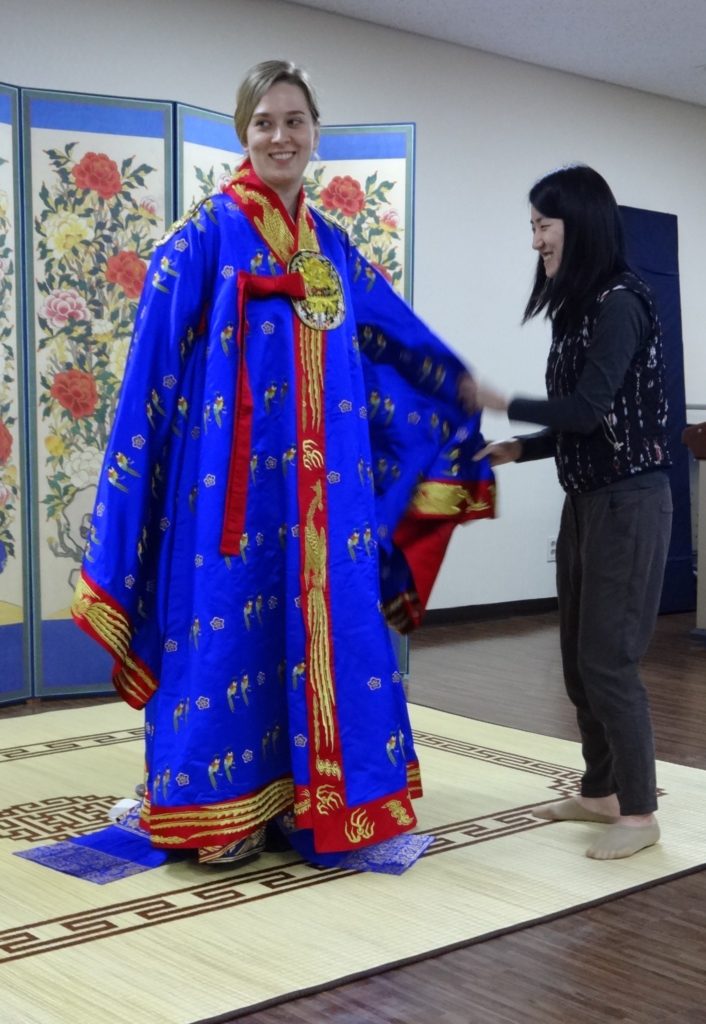
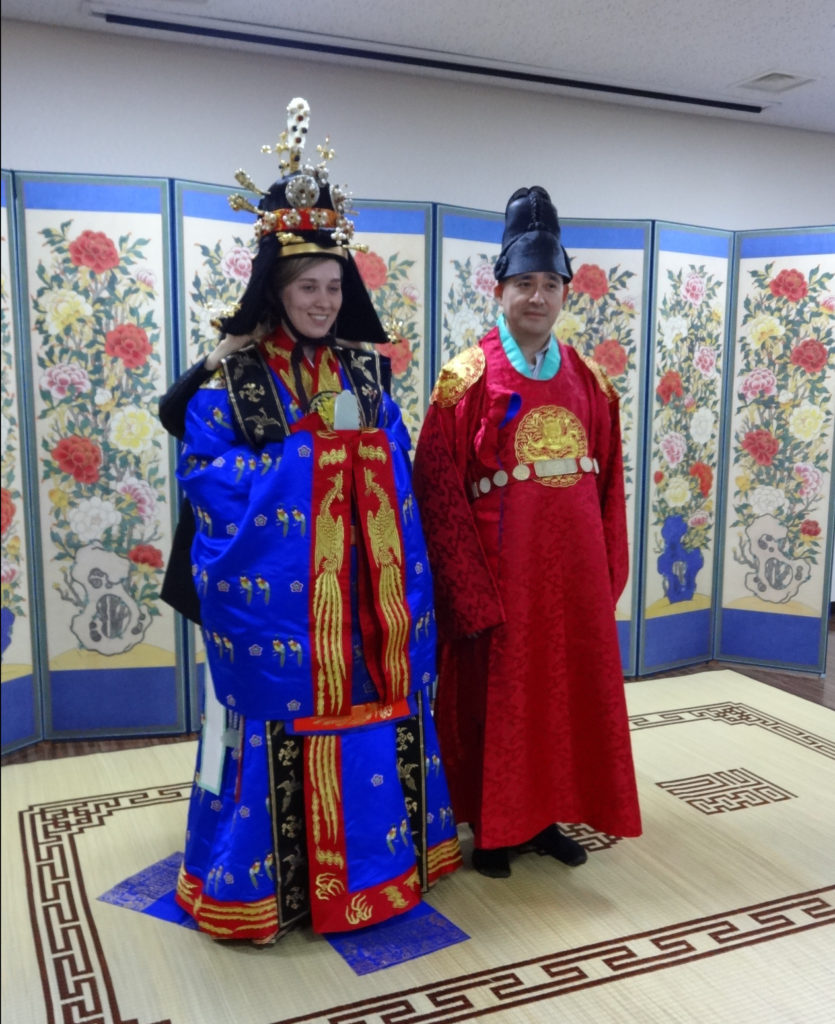
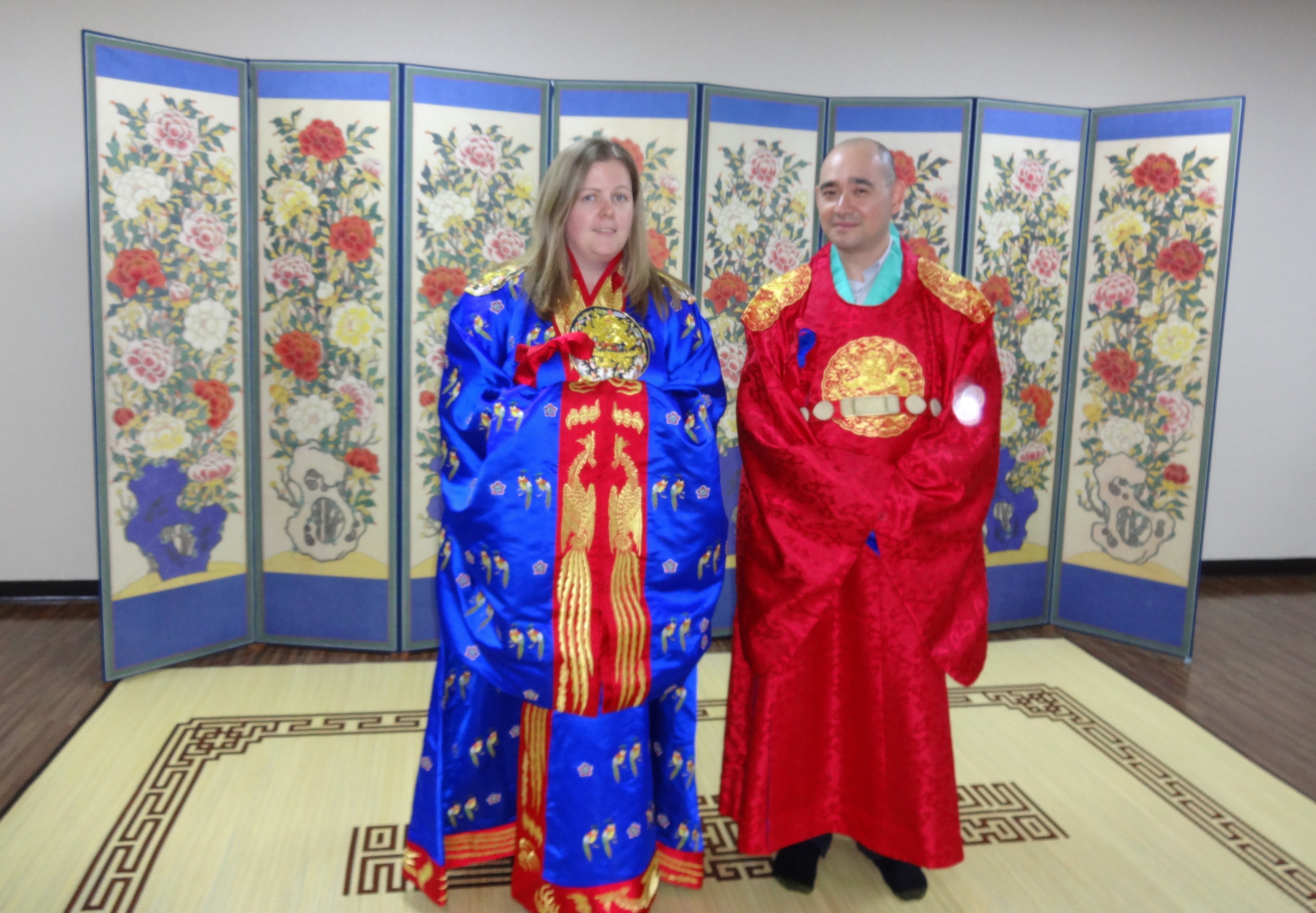
| Attires for the King and the Queen | Try-on workshop: Royal attire | Queen’s Robe Ornamental hairpins |
If you would like to attend these educational lectures and workshops, please see the National Palace Museum of Korea for more information.
※ Royal Korea Culture Lectures are delivered in English.
An overview of the History and Culture of the Joseon Dynasty
The first session involved a lecture on the history and culture of the Joseon Dynasty, followed by a small tour of selected pieces in the museum.
The Joseon dynasty was established in 1392, and it lasted 519 years! There were 27 different kings who reigned during the Joseon Dynasty, who upheld Confucianism as their political ideal in Korea.
The Joseon Kings Confucianism regimes and ideologies supported scholarly studies, they brought advances in agriculture, astronomy, medicine, Korean literature and Korean arts.
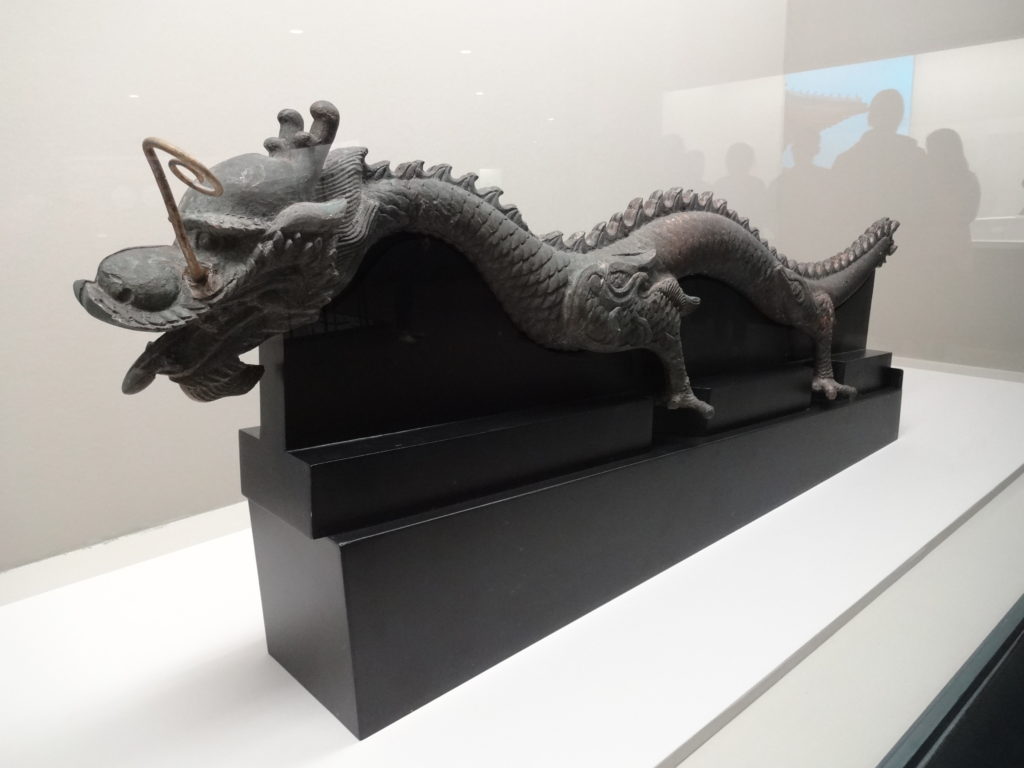
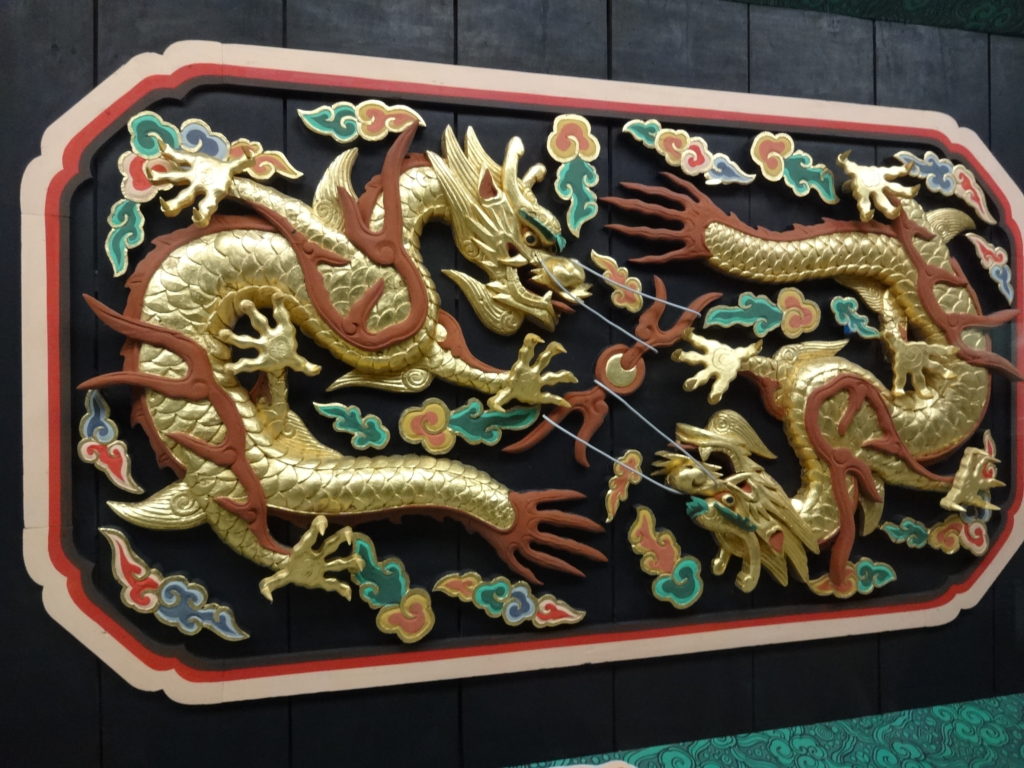
Dragons and phoenixes were created to mark the King’s divinity and authority. In Korean culture, dragons are protective mythological creatures who bring good fortune.
The Royal Seals


The Royal seals are stamps that were used in place of signatures. Today most Koreans have their own personal seals. Companies and government agencies also have their own seals which are deemed to be more formal and authoritative, although hand signatures are accepted.
Making Eobo: Royal Korean Soap
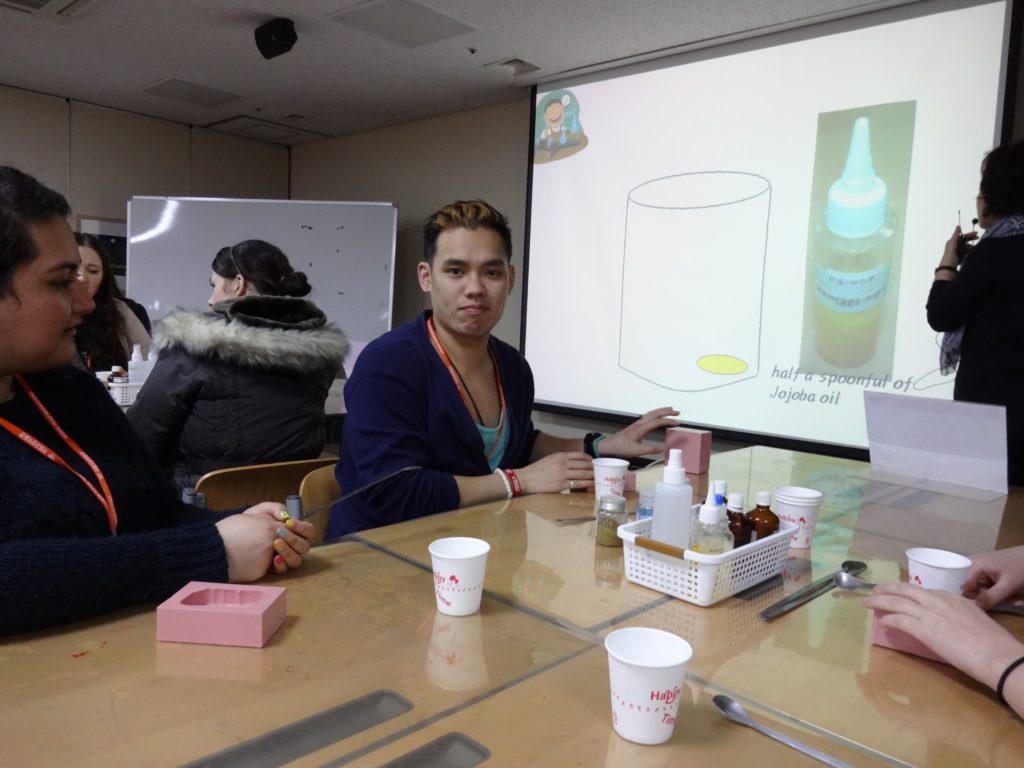
After the museum tour, we had our practical soap making session. This was a little messy, but we did manage to cast soap to take home with us.
Education & Literary Arts of Joseon Royals
The Confucianist Joseon society regarded intellectuals and academic learning as extremely important. Every King began studying diligently during their childhood, and this was something that they would continue throughout their entire life. Consequently, the King earned respect not only the county’s divine ruler but also as a respected and authoritative scholar. Academic achievement and continuous learning are still held with high esteem in Korean society today.
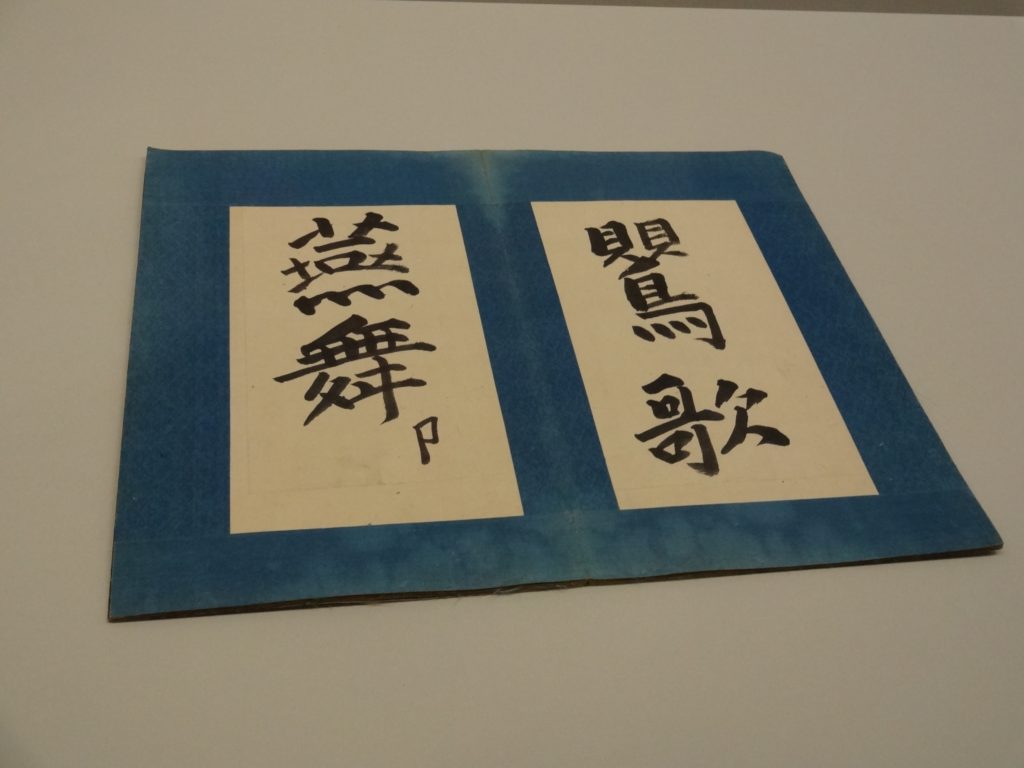
Calligraphy of King Heonjong
Joseon Kings studied and produced calligraphy using Chinese characters, hanja.
Joseon Scholars nicknamed their writing materials; the brush, the inkstone, ink stick and paper as the ‘four friends of study’.
Boxes of bamboo sticks contained questions about Confucianist texts


Joseon Kings’ used to these Confucianist questions and texts on the bamboo sticks to enhance their knowledge.
King Sejong the Great
King Sejong the Great (r. 1418-1450) was responsible for several successful advancements within Korean art and culture.
Under King Sejong’s guidance, scholars at the royal academy created the Korean alphabet Hangeul, which is a simple phonetic language system designed to help educate all of the Korean people.
King Sejong was also interested in science and astronomy. He instructed his team of scholars to create Sundials, water clocks, celestial globes and astronomical maps.
Korean Placenta Jars
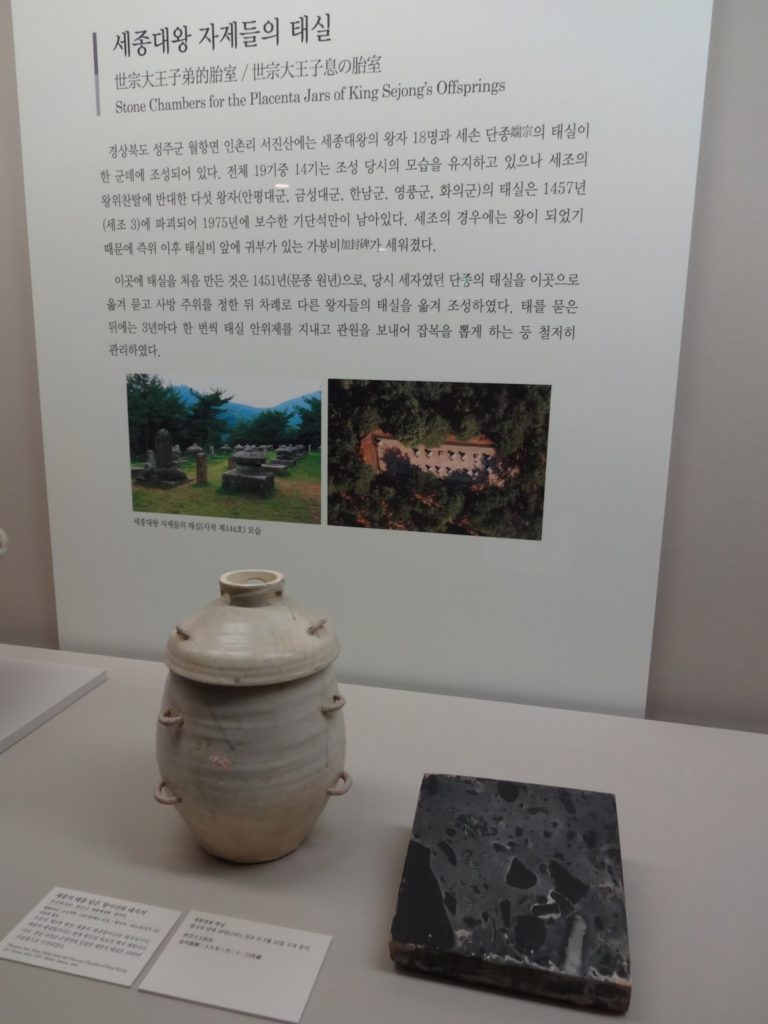
Historically, Koreans’ believed the placenta of a newborn baby must be carefully preserved to ensure a healthy life.
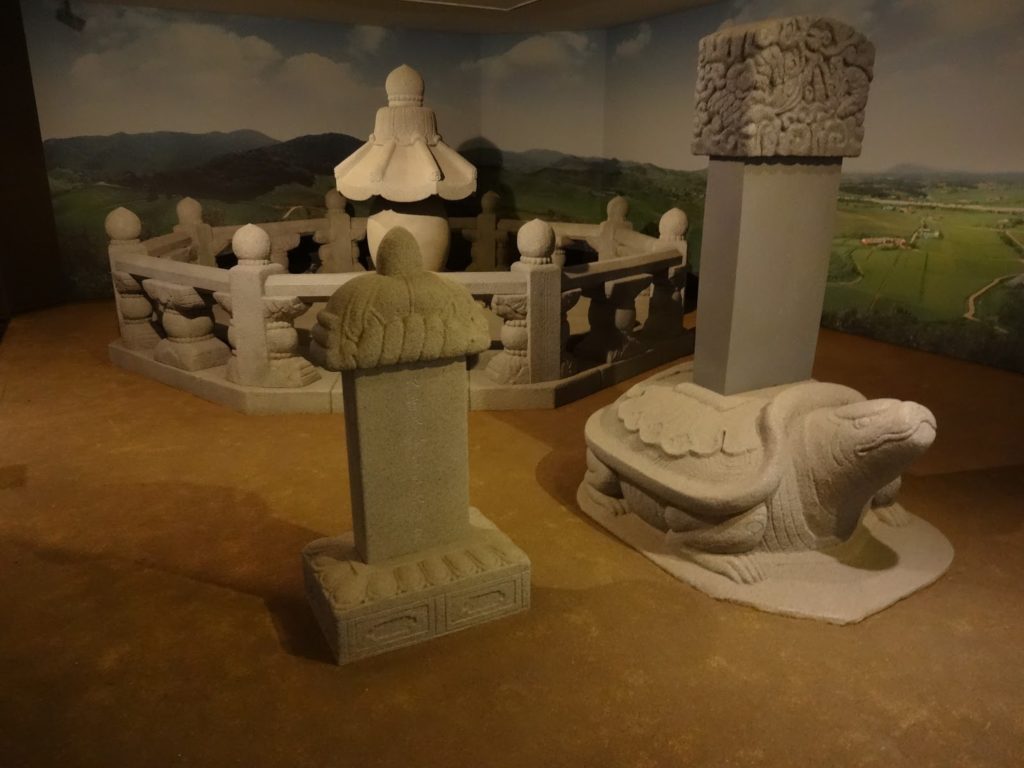
In the Joseon era, the placenta of a newborn prince or princess would be put in a simple ceramic jar and then buried in a stone chamber. This birth relic was one of the more unusual Joseon Royal Rituals.
Example of a Royal Birth Relic
Our Calligraphy Lesson
Our Royal Calligraphy lesson.
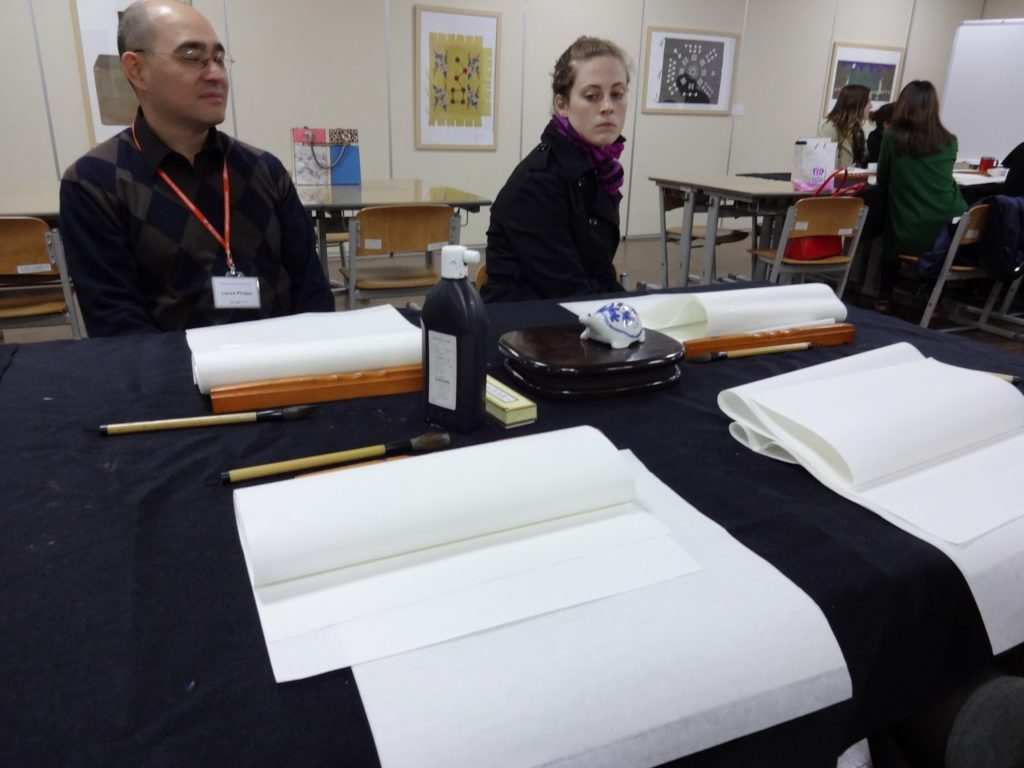

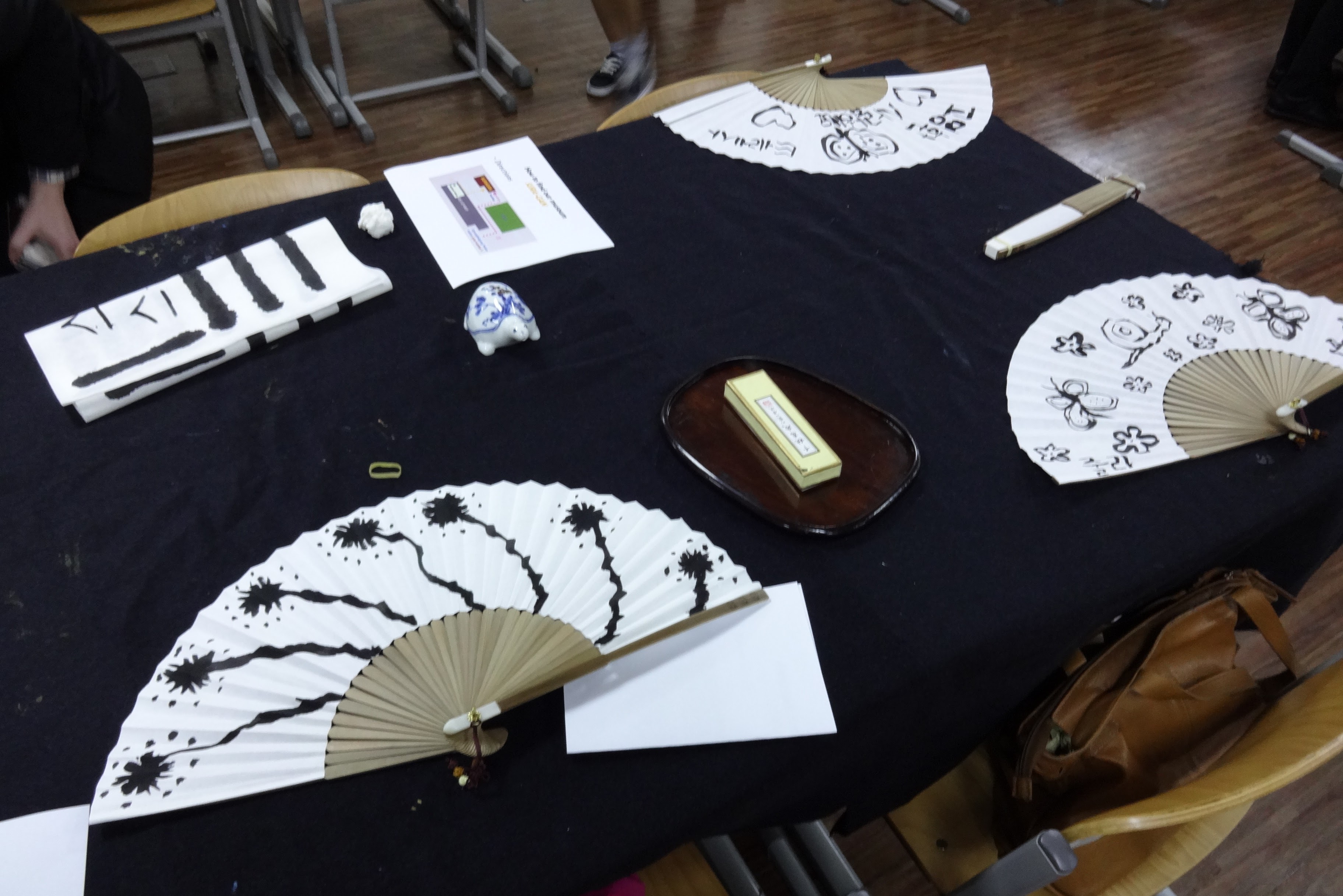
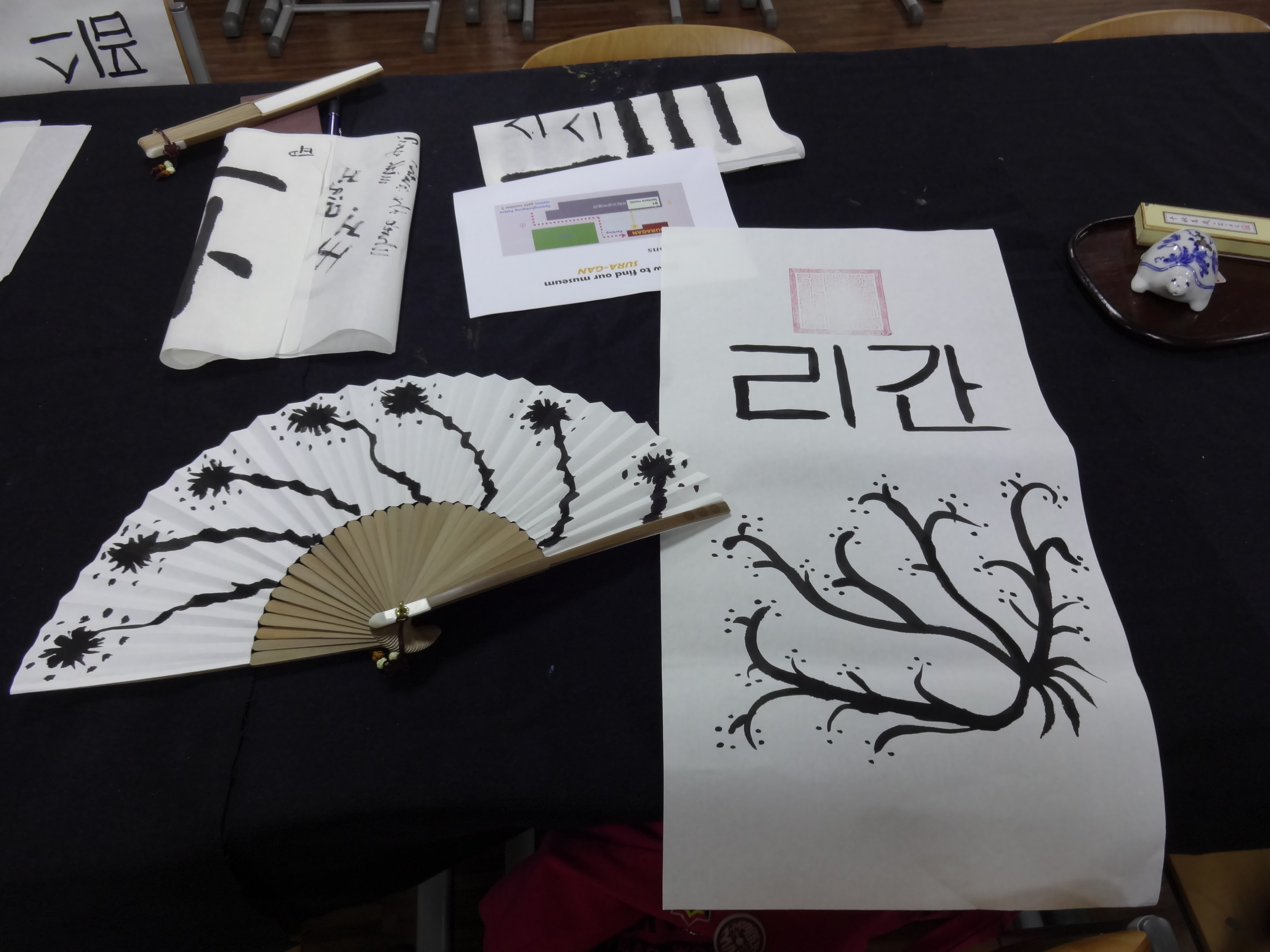
- My Royal calligraphy
Program 3: Food for the Royals
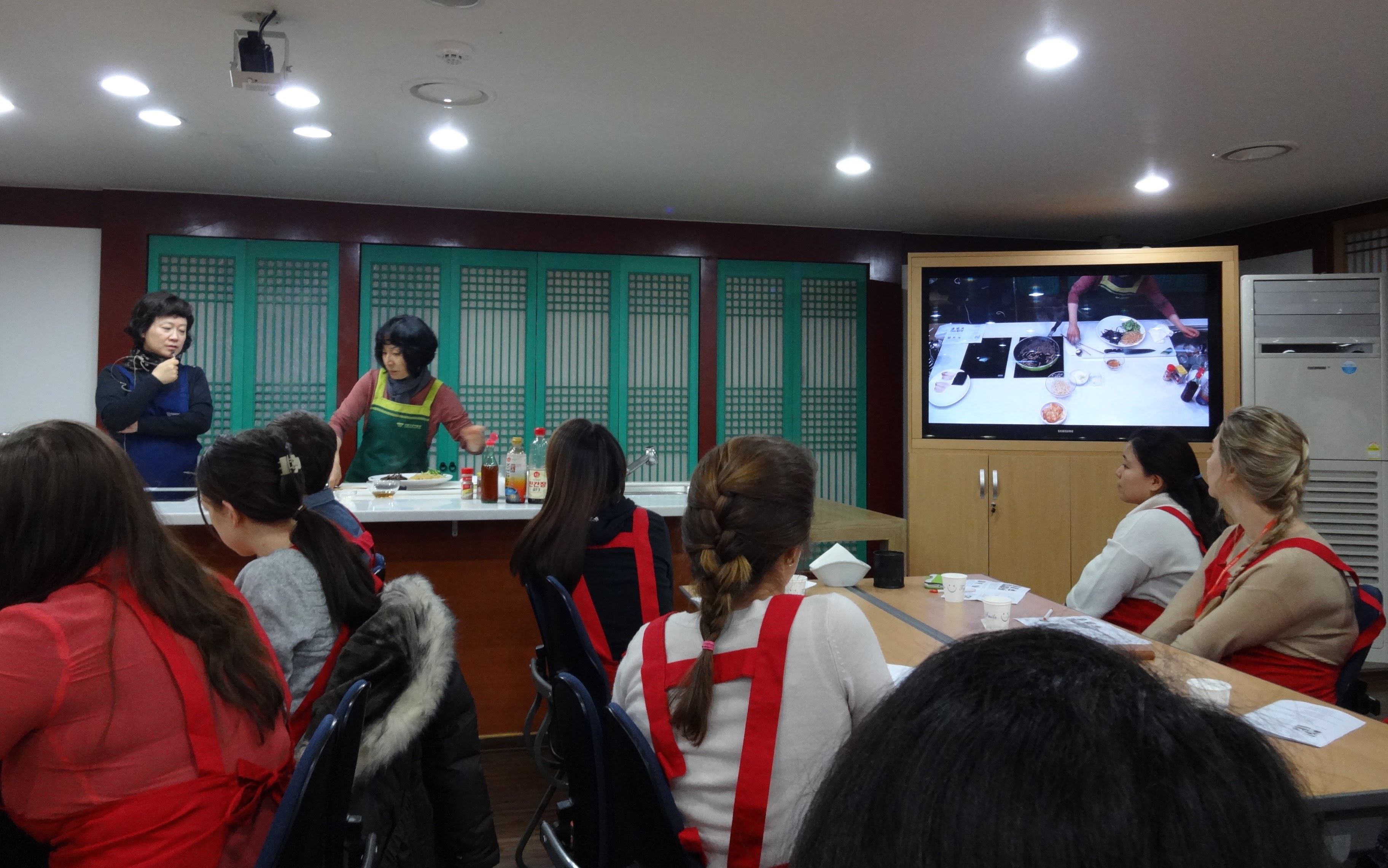
- Bibimbap Cooking class
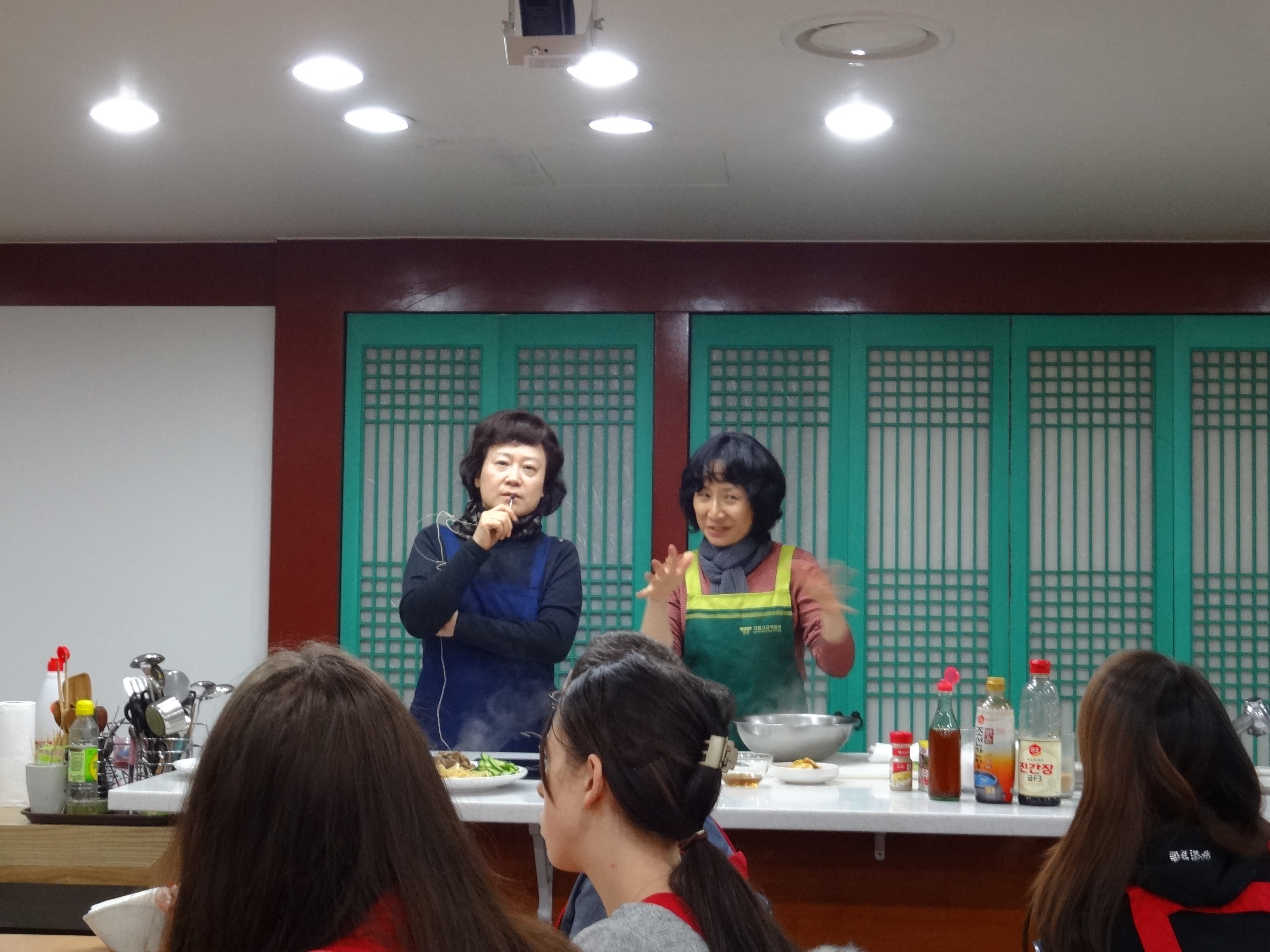
- Korean Cooking class
- Par-boil
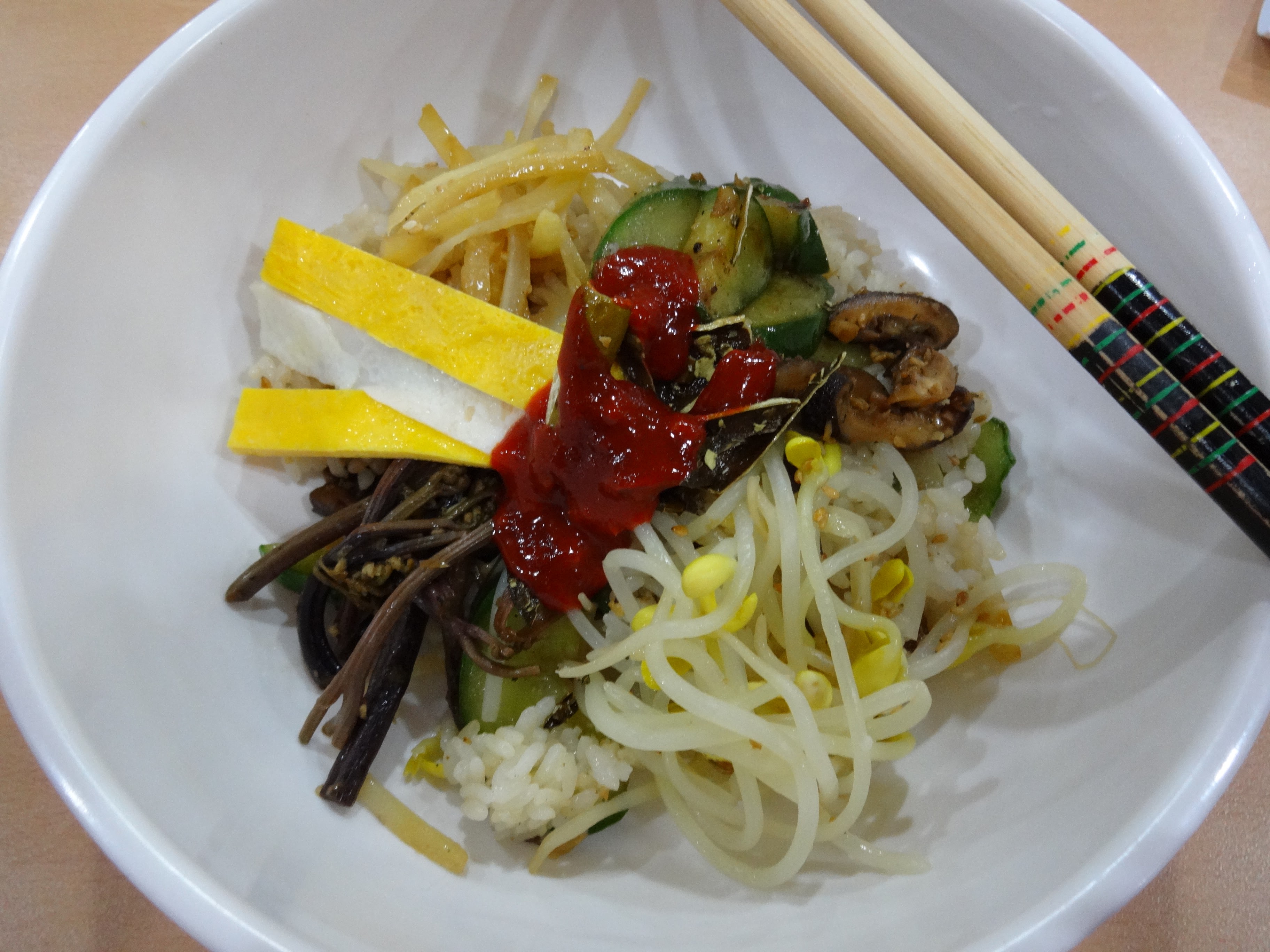
- My Royal Bibimbap
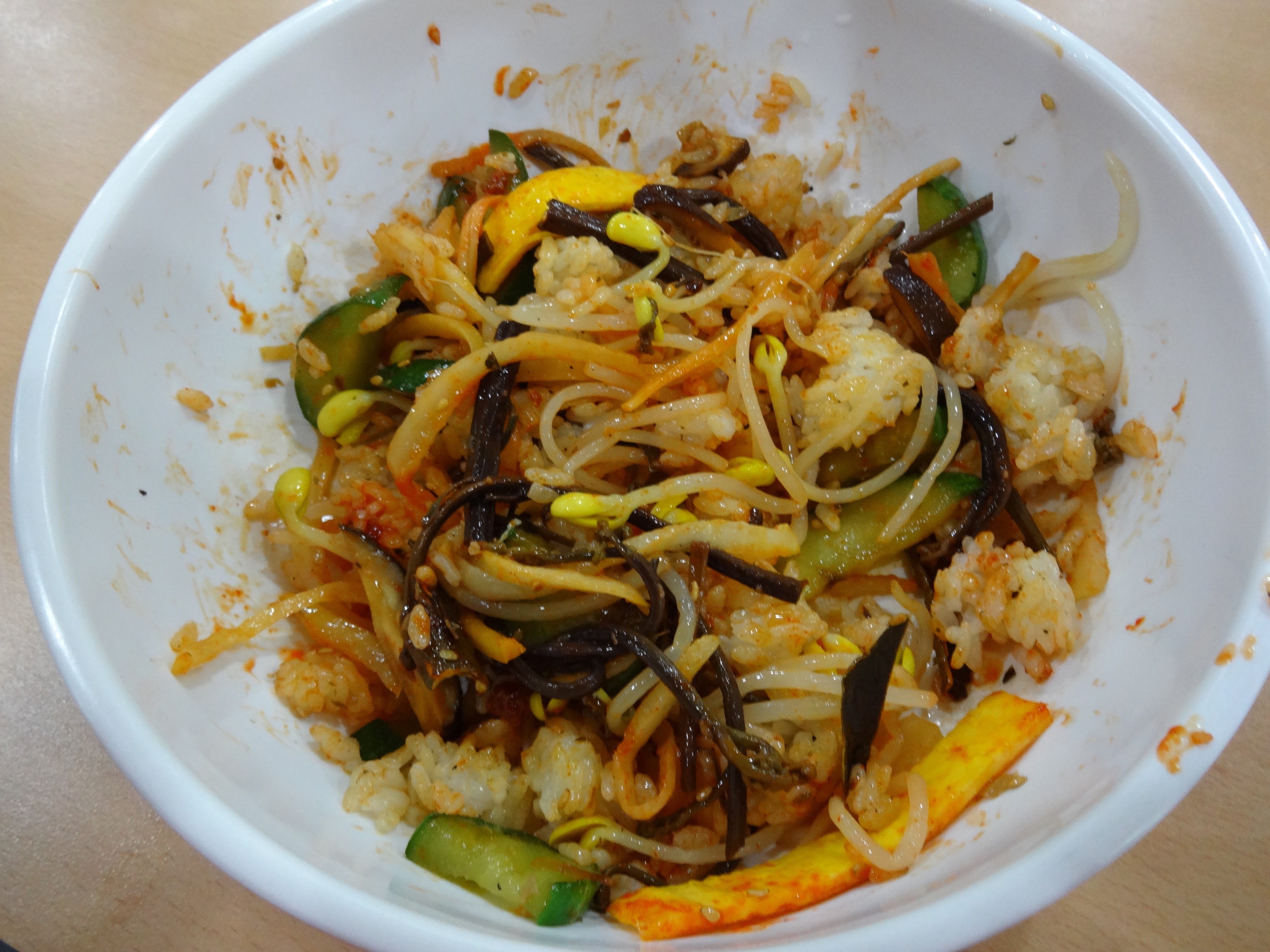
- My Royal Bibimbap, all mixed up and ready to eat.

- Tastes-good

- Triple pendants of the consort of Imperial Prince Yeong
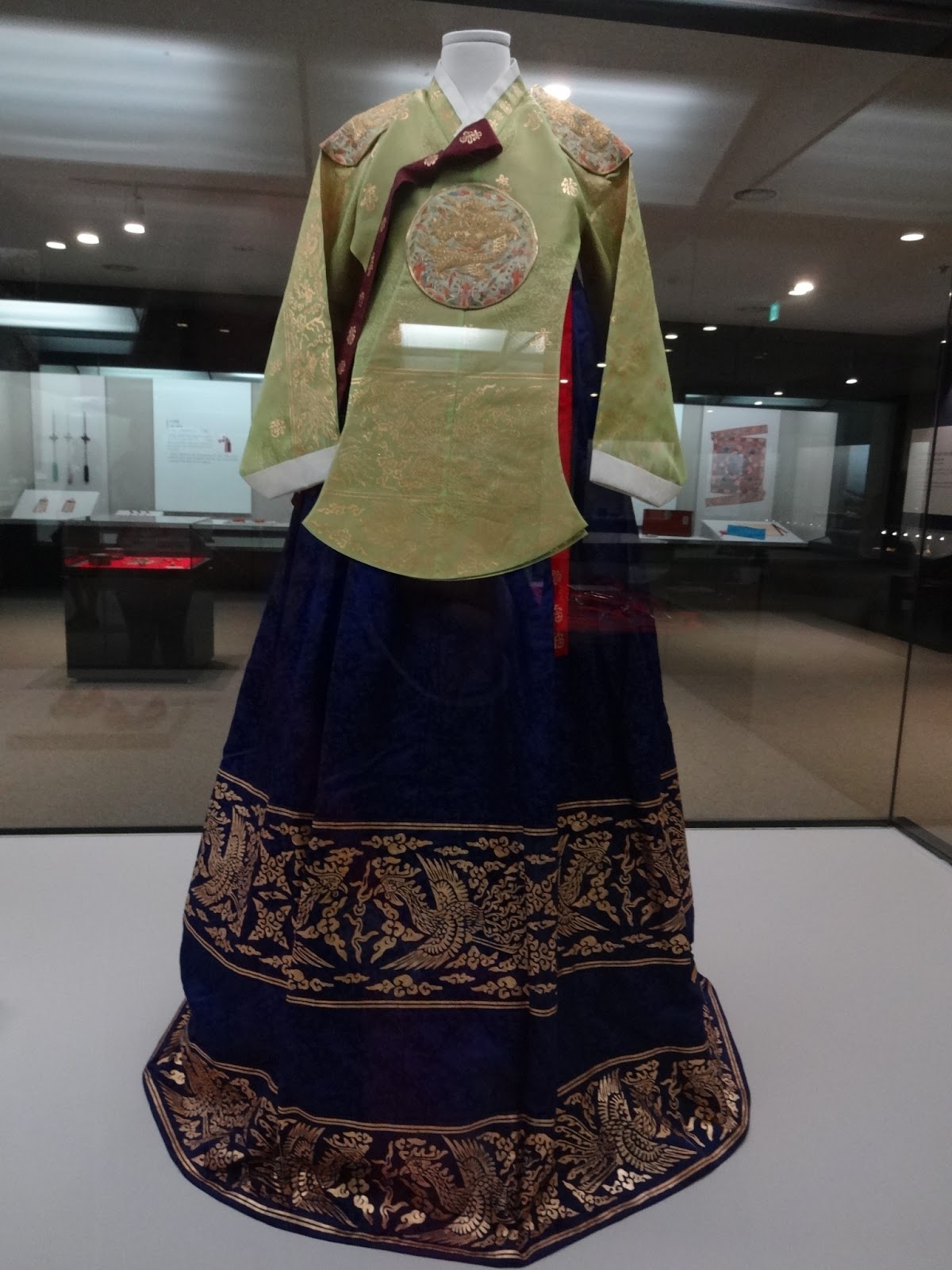
- Women’s court ceremonial jacket and blue skirt of the consort of Imperial Prince Yeong.
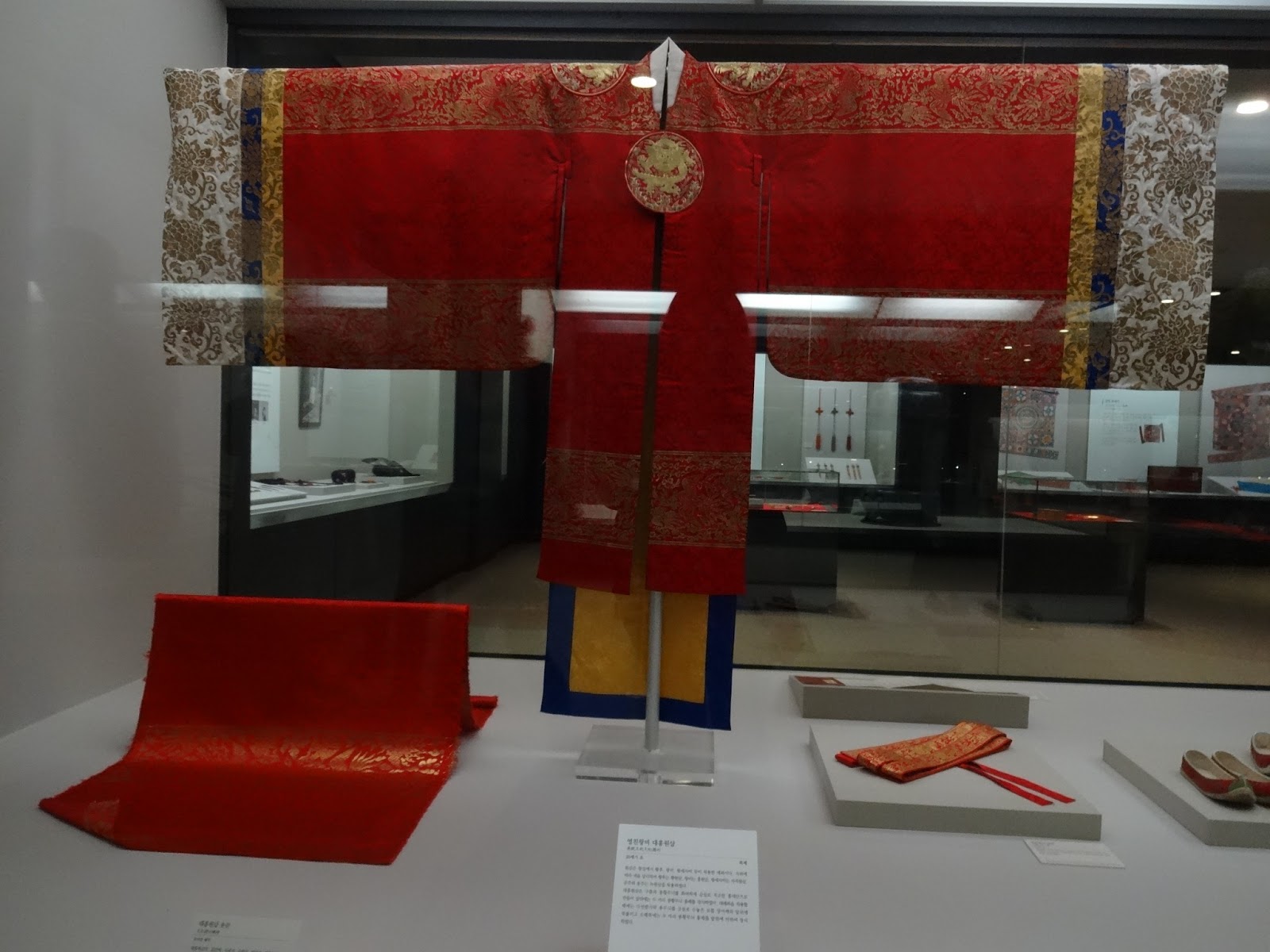
- Great ceremonial robe of of the consort of Imperial Prince Yeong.
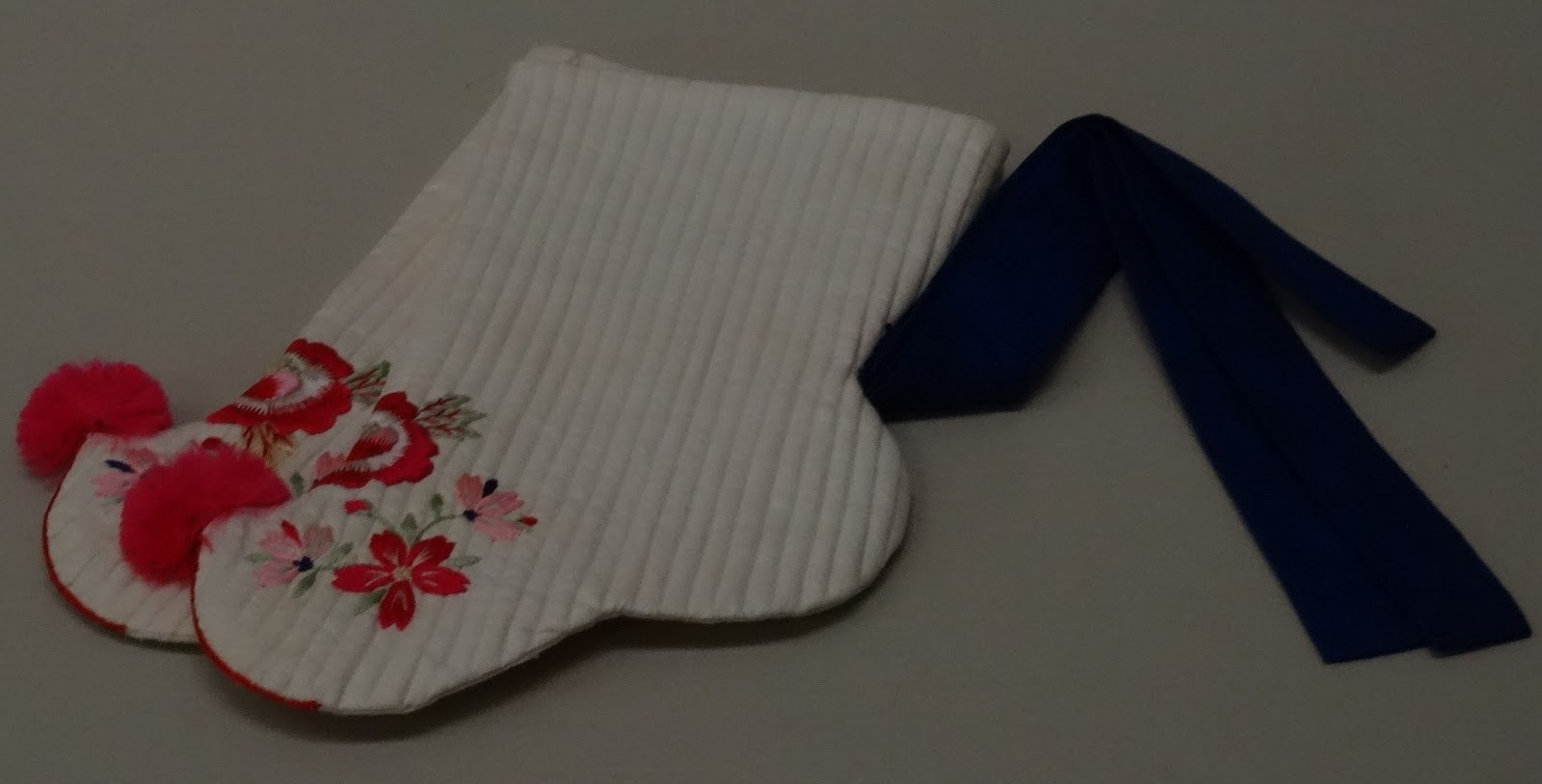
- Quilted socks for children, Joseon dynasty.
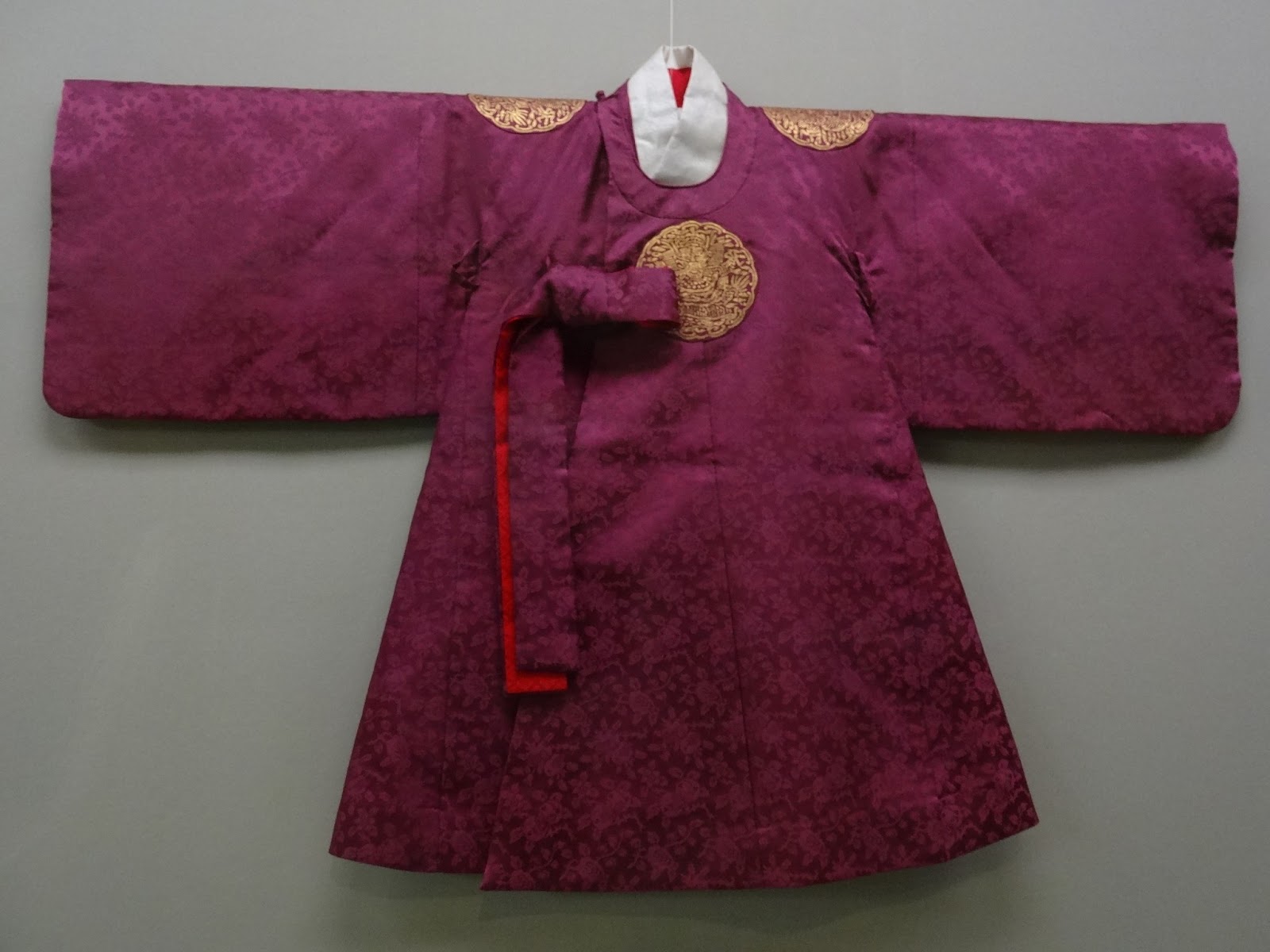
- Daily wear for the young prince.
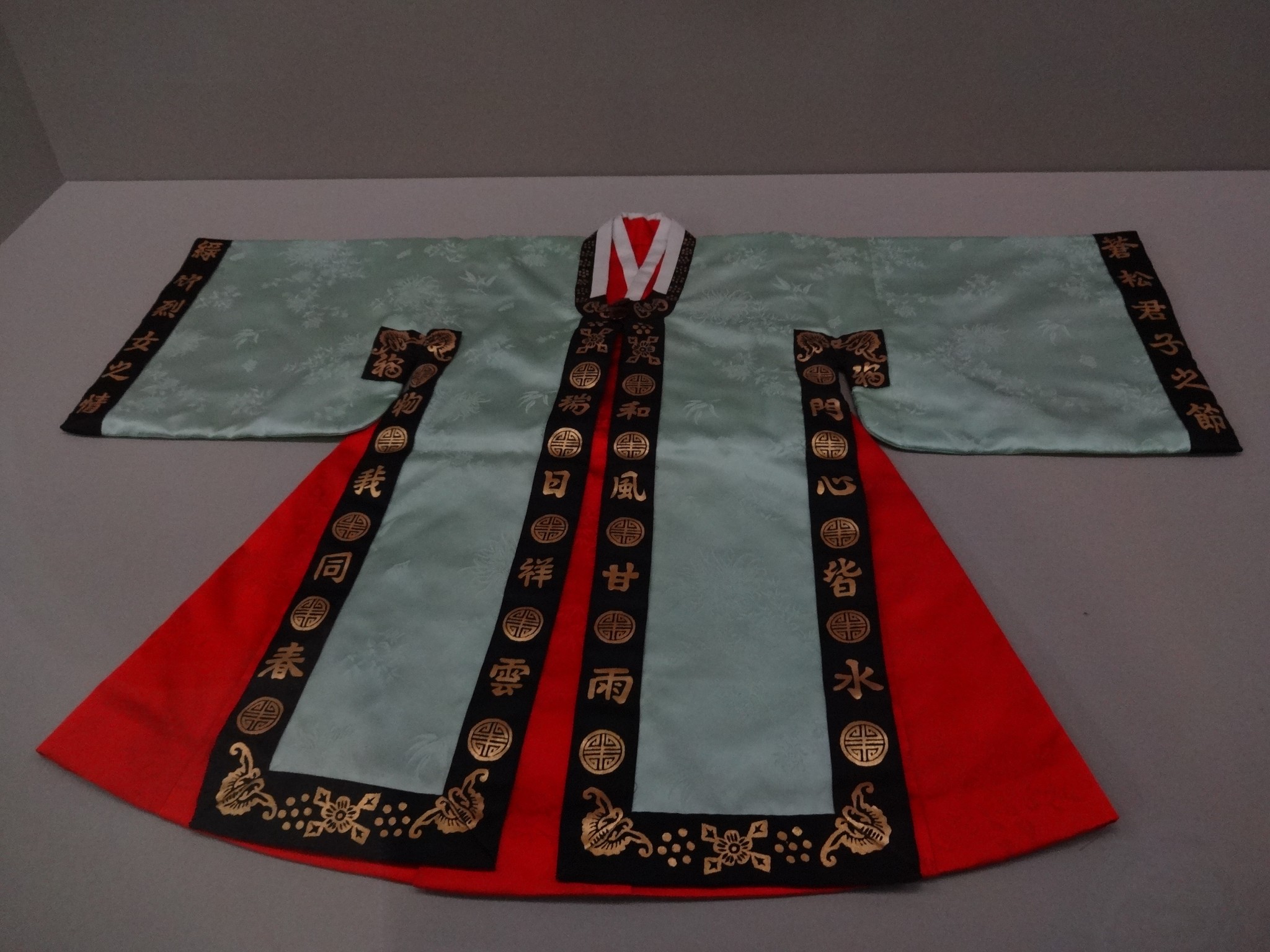
- Great ceremonial robe of of the consort of Imperial Prince Yeong.

- Cloisonne enamel royal incense burner.
How to wear the Queen’s ceremonial robe.